What Campus Reviews Reveal About Göttingen
The campus itself draws strong reactions. Azgar Shuvo writes: “One of the renowned universities in Germany. The springtime brought out the finest in the campus’s aesthetic.” That spring beauty, however, comes with a practical reality: Göttingen is a mid-sized city where the university buildings are scattered across town, so where you live determines how much of that aesthetic you actually see on a daily commute.
A more critical voice comes from Guy, who gave the university a 1‑star review: “If you’re an international student considering studying here, I strongly encourage you to think carefully before making your decision. In my experience, being a non-German speaker comes with significant challenges. These go beyond just the language barrier and extend to cultural differences in inter…” The review truncates, but the message is clear: language and cultural integration matter, and housing is one area where those barriers hit hard. Many landlords in Göttingen communicate only in German, lease contracts are often only in German, and the local housing market moves fast through German‑language channels (e.g., WG‑Gesucht, local Facebook groups).
On the other hand, Muhammed Nagaş shares: “It was a wonderful experience to be in the same buildings where Max Born, Max Planck, and many other great scientists once studied.” If you prioritise living close to the historic central campus (around the Auditorium and the A‑Building), walking to those same buildings every day is entirely feasible — but proximity comes at a premium.
Rati Mehul Patel says the university is “Fantastic 😍. The look, service and education 🤌🏼 top notch.” The “service” part includes the International Office, which can sometimes help with temporary housing or point you toward the Studentenwerk (student union) dormitories. But capacity is limited, and many international students end up finding private accommodation on their own.
The overall rating on Google is 4.4 out of 5 from 568 reviews, which suggests a generally positive experience — but the housing situation is a common pain point that doesn’t always surface in those star ratings.
City Context: Göttingen as a Student Hub
Georg-August-Universität Göttingen ranks 243rd in the QS World University Rankings and is located in the state of Lower Saxony, about 100 km south of Hanover. The city itself has roughly 120,000 residents, of whom around 30,000 are students. That high student‑to‑resident ratio shapes the housing market: demand for rooms is intense, especially at the start of each semester (October and April).
The university address is Wilhelmsplatz 1, 37073 Göttingen — right in the historic centre. The main lecture halls, the library (SUB), and the central cafeteria (Mensa) are all within a 10‑minute walk from that square. Most natural science institutes cluster on the “Nord Campus” (north of the city centre), while humanities and social sciences are concentrated around the “Zentralcampus” (the area near the train station and the old town). The medical campus is separate, in the southeast district.
For a new student, choosing a neighbourhood means deciding how far you are willing to walk or cycle to these campuses. Göttingen is very bike‑friendly; many students cycle year‑round. The bus network (GöVB) covers the city adequately, with a semester ticket included in the student fees that lets you use local buses and regional trains for free within Lower Saxony.
Budget Bands (2026–2027)
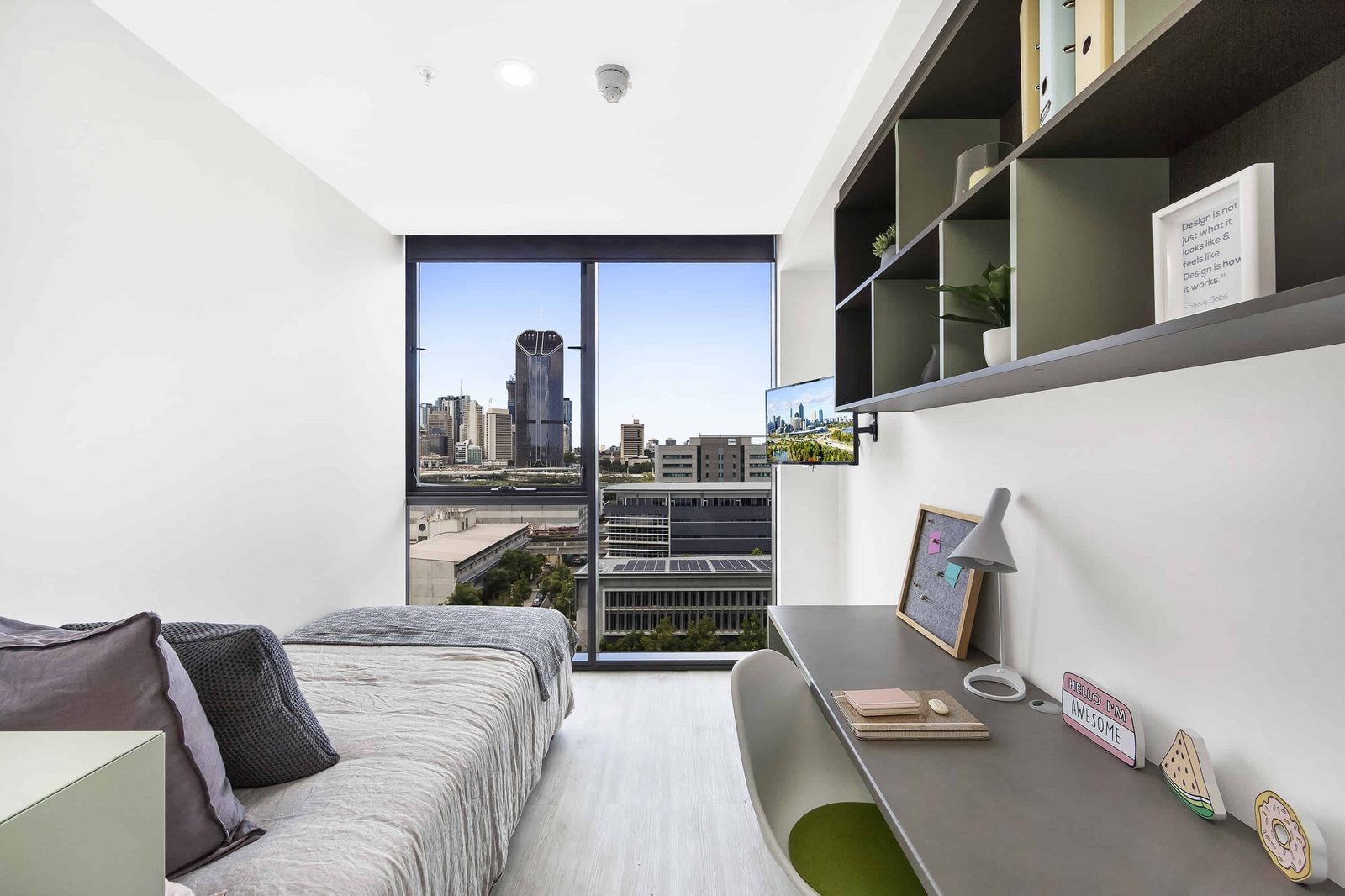
Rents in Göttingen have risen in recent years, but remain moderate compared to Munich, Frankfurt, or Hamburg. All figures below are indicative — confirm with the operator at the time of booking.
- Student dormitory (Studentenwerk or private): €250–€400 per month (utilities included). These are the most affordable options. Waiting lists can be 1–2 semesters. Priority is often given to first‑semester international students, but not guaranteed.
- Private shared flat (WG) — room: €350–€550 per month (warm rent, including utilities). This is the most common setup. Prices vary by distance from centre and condition of the flat. A room in a well‑maintained WG near the central campus can easily cost €450+.
- Studio or 1‑room apartment: €500–€750 per month (cold rent, utilities extra). These are rare and usually require a higher deposit (3 months’ cold rent) and proof of income or a guarantor.
- Family apartment (2–3 rooms): €700–€1,100 per month. Suitable for students with partners or children. Supply is very tight.
Walk vs Transit Trade‑off
Walkable Zones (≤15 min to central campus)
- Innenstadt (city centre): Historic buildings, many shops and restaurants. Rent is higher (WG room €450–€550). You can walk to most lecture halls in under 10 minutes. The downside: older buildings may have poor insulation and steep stairs.
- Ostviertel (east quarter): Quiet residential area near the botanical garden. About 15–20 minutes walk to central campus or 5‑minute bike ride. Rent slightly lower (€350–€450 for a WG room).
- Südviertel (south quarter): Near the medical campus and the Stadthalle. A 15‑minute bus ride to central campus, but walkable to the Nord Campus for science students.
Transit‑dependent Zones (bus or bike >20 min)
- Weende: A northern suburb, home to the Nord Campus. Many student dormitories are here. Rent is cheaper (WG room €300–€400). Bus line 21/22 connects to the city centre in 15 minutes. If your classes are on Nord Campus, living here means a short walk or bike ride.
- Geismar: Southeast suburb, near the university sports facilities. Rent very affordable (€280–€380 for a WG room). Bus lines 41/42 go to central campus in 20 minutes. The neighbourhood is family‑oriented with fewer student amenities.
- Grone: West side, with a mix of post‑war apartment blocks and newer developments. Rent is the lowest (€250–€350). Bus lines 31/32 take about 25 minutes to city centre. Some areas feel less safe at night.
Many students opt for a balance: live within a 20‑minute bike ride of the main institutes. A bike costs little and gives you flexibility to reach any part of the city in under 30 minutes.
Shortlist Logic: How to Choose a Neighbourhood
When shortlisting rooms, consider the following three factors in order:
- Campus location of your faculty. Science students should prioritise Weende or the Nord Campus area. Humanities/social science students benefit from living in the city centre or Ostviertel. Medical students look at Südviertel or the east side near the university hospital (UMG).
- Language requirements. If you do not speak German, look for flats where the existing flatmates are international or the landlord accepts English. Many private landlords prefer German speakers. Studentenwerk dormitories are more foreigner‑friendly.
- Budget and availability. Start your search at least 2–3 months before the semester begins. Use online platforms (e.g., WG‑Gesucht, immowelt, eBay Kleinanzeigen) but filter for “English friendly” or “international WG” if needed. Be prepared to attend viewings in person or via video call and provide documents (ID, proof of enrollment or acceptance letter, bank statements, Schufa credit report if possible).
As a rule of thumb: if you can afford €450+ for a room, look in the city centre for convenience. If your budget is under €400, consider Geismar or Grone and accept a longer commute by bus or bike.
Frequently Asked Questions
How far in advance should I start looking for housing in Göttingen?
Indicatively, begin your search 2–3 months before the semester start (i.e., February for the summer semester starting in April, and August for the winter semester starting in October). Studentenwerk dormitory applications often open 6 months ahead; apply as early as possible. The private market becomes frenzied in the two weeks before the semester — start early to avoid settling for an overpriced room.
What documents do landlords typically ask for?
Landlords generally request a copy of your passport or ID, proof of enrollment or an admission letter, proof of income (e.g., blocked account statement, scholarship letter, or parent’s guarantee), and sometimes a Schufa credit report. If you are not in Germany yet, a video call showing the room and a scanned copy of documents is usually accepted for booking. Always ask whether the contract is in English or German; if it is only in German, consider having a German‑speaking friend review it.
Is it possible to find housing without speaking German?
Yes, but it is harder. You will need to focus on listings that explicitly say “English friendly” or “International WG.” Some landlords are used to renting to international students and have standard contracts in English. The Studentenwerk dormitories are more inclusive; their application forms are often available in English. Additionally, some private student residences (e.g., those run by operators like The Fizz or Staytoo in Göttingen) cater to internationals, but they are slightly pricier. Join Facebook groups like “WG and flats in Göttingen” or “International students Göttingen” to find English‑speaking flatmates.
Data as of March 2026. Rankings and reviews reflect the latest available information at the time of writing. All prices are indicative — confirm with the operator before making any financial commitment.
See also: listing details · browse more