What Campus Reviews Reveal About Life Near Ewha Womans University
Ewha Womans University, ranked 504 in the QS World University Rankings 2026 (Republic of Korea), sits at 52 Ewhayeodae-gil, Seodaemun-gu, Seoul. With a Google rating of 4.6 from 1,467 reviews, the campus itself draws consistent praise for its architecture and atmosphere. One visitor, Ally étoile, noted: “My very first time in South Korea only one day, it’s a exquisite university worth to visit, with good ambience and nice vibe, however I got lost when I walked in the campus.” That mix of beauty and scale is a recurring theme. Ruiki Tan added: “Love the sculptures and building design, with golden-yellow leaves lining the walkways. Visited during winter time. The water surface was frozen, adding a serene, wintry touch to the scene. It’s a dreamy spot for photos and a must-visit during Seoul trip.”
But not every experience is positive. Jayce Or wrote a one-star review: “I went to the girls’ high school in Seoul and I hate it. I give it 1 star! The school is too far from the city center, and the taxi fare was very expensive. When I arrived, the security guard did not let tourists go inside. I could only stand outside the gate and look at a boring brick building.” This highlights an important nuance: while the main campus is accessible in the sense that public areas are open to visitors (as ZQ Boo confirmed — “Tourist is allowed to visit public areas. Love the architecture design and vibes. Food, ATM & convenient stores available in the campus. The campus is surrounded by a shopping street”), the location relative to central Seoul may feel distant to some. The taxi fare complaint also points to the value of knowing your transport options before choosing accommodation.
For students and long-term visitors, these reviews underline a few practical takeaways: the campus is walkable and has its own ecosystem of shops and food, but getting to other parts of Seoul requires planning. Housing decisions should balance proximity to campus with access to the city’s subway and bus network.
City Context: Seodaemun-gu and the Ewha Neighborhood
Ewha Womans University is located in Seodaemun-gu, western Seoul. The area immediately around the campus — often called the Ewha Women’s University shopping district — is a lively commercial zone with affordable fashion boutiques, cafes, restaurants, and convenience stores. It is also adjacent to Sinchon, another major student hub that hosts Yonsei University and Sogang University. This means the neighborhood is packed with services catering to young people, from 24-hour study cafes to budget-friendly eateries.
Public transport is robust. The university is served by Ewha Womans University Station on Seoul Subway Line 2 (the circular green line), which connects to major districts like Hongdae, Gangnam, and City Hall. Many bus lines also stop near the main gate. For a student, living within a 10–15 minute walk of the station or of the campus gates can save significant commuting time — but at a cost premium.
Seoul’s rental market is segmented. Most international students rent one-room studios (원룸), officetels, or goshiwons (small, often meal-included rooms). House shares (hugging) are also common. Prices vary widely depending on deposit (key money), room size, and distance to the nearest subway entrance.
Budget Bands (Indicative — Confirm with the Operator)
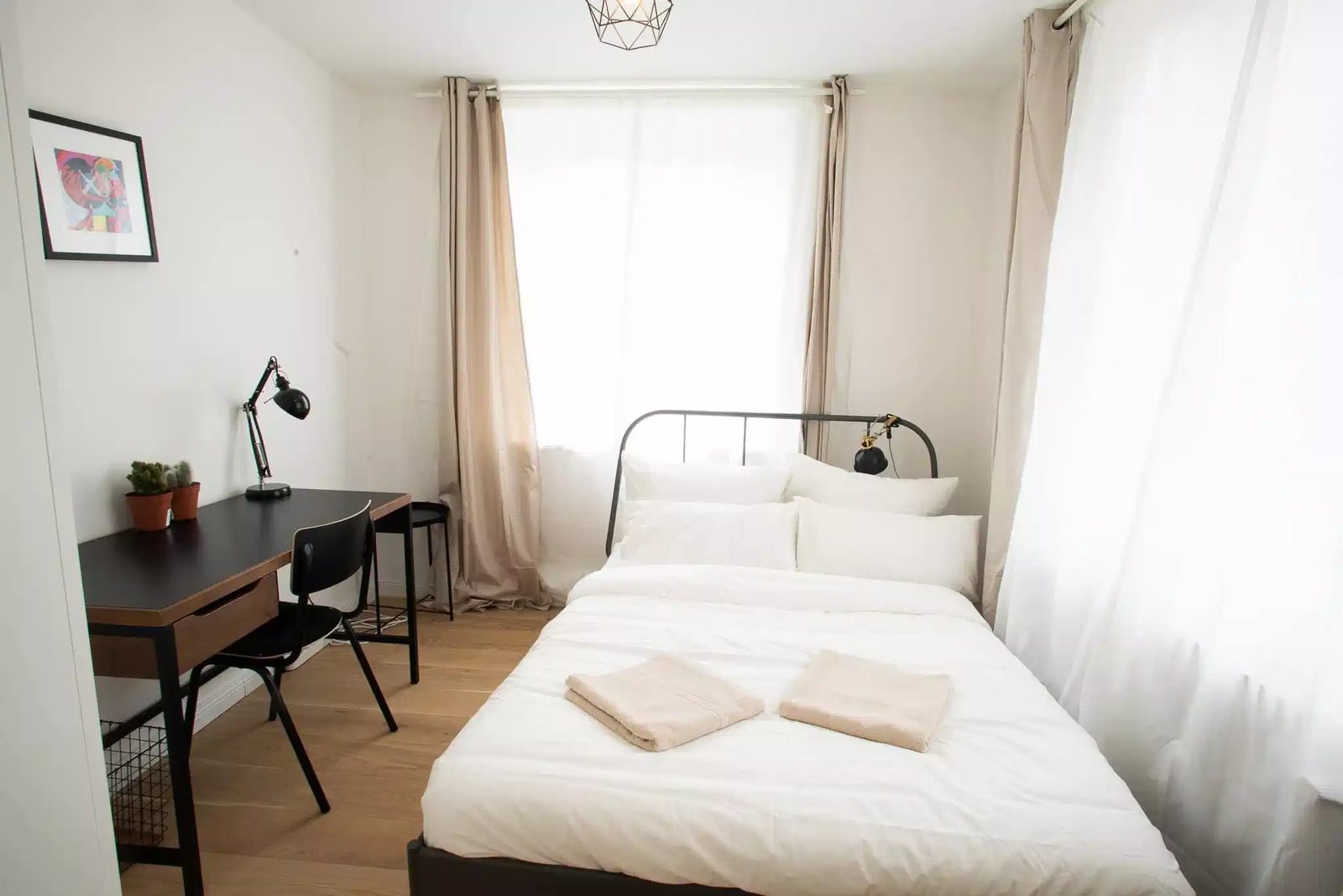
Because rental data changes rapidly and depends on contract terms (deposit size, utilities included, furnishings), all figures below are indicative and should be verified with the individual accommodation provider before any commitment.
-
Low tier (approximately 300,000–500,000 KRW per month): Goshiwons or small studios in older buildings, often 2–3 km from campus or requiring a bus ride. Deposit may be as low as 500,000 KRW. Basic furnishings included; shared bathroom and kitchen are common.
-
Mid tier (approximately 500,000–800,000 KRW per month): One-room studios within a 10–15 minute walk of Ewha Womans University Station or the campus. Deposit typically 5–10 million KRW. Private bathroom, small kitchenette, and maybe a balcony. This band covers the majority of student rentals in the Sinchon–Ewha area.
-
High tier (approximately 800,000–1,500,000 KRW per month): Larger studios or one-bedroom officetels close to the main gate or with a direct view of the campus. Higher deposit (20 million KRW or more). This range also includes fully furnished apartments with air conditioning, washing machine, and modern fixtures. Some may include a separate bedroom.
These bands are based on typical listings seen in Seoul’s student housing market as of 2026. They do not represent an endorsement of any specific property or operator.
Walk vs. Transit Trade-off
The decision between walking to campus and commuting by public transit involves more than just money. Here is a neutral breakdown.
Walking (within 0–15 minutes)
- Pros: No daily transit pass needed. Able to go home between classes. Access to campus facilities (library, gym, cafeterias) at odd hours. Easier to attend evening events. The shopping street right outside the campus means groceries, snacks, and errands are convenient.
- Cons: Rent is typically at the high end of the mid tier or above. Noise from the commercial area can be an issue — especially on weekends. Older buildings in the immediate vicinity may have smaller rooms for the same price as a larger one further out.
- Best for: Students who spend most of the day on campus, attend early morning or late evening classes, or prefer spontaneity over organized commuting.
Transit (bus or subway, 1–3 stops away)
- Pros: Lower rent for the same size or larger rooms. Quieter residential neighborhoods (e.g., parts of Hongdae, Yeonnam-dong, or near Sinchon Station). Access to other parts of Seoul for part-time jobs or social life without transferring.
- Cons: 10–20 minute walk to the bus stop or station, plus 5–15 minutes ride, plus walking to the classroom — adds 30–60 minutes round trip daily. Weather (Seoul winters are cold) can make that walk unpleasant. Taxi fares, as the one-star reviewer noted, are high if you are not used to distances.
- Best for: Students on a tighter budget who want a quieter home environment and don’t mind a predictable commute.
A middle ground is living near Sinchon Station (two stops on Line 2) or along the No. 2 bus route that runs directly to the Ewha campus. This keeps the commute under 20 minutes while saving on rent relative to the immediate campus zone.
Shortlist Logic: How to Choose Using the Reviews
Given the limited data, we cannot provide a specific list of nearby residences. However, the reviews and context allow for a logical shortlisting framework.
-
Use the reviews that mention accessibility: ZQ Boo’s review confirms that public areas of campus are open and that the campus is “surrounded by a shopping street.” This suggests that any accommodation within that shopping street area (Apgujeong-ro, Ewhayeodae-gil, or the alleys behind) will have all daily necessities within walking distance. The one-star review warns about distance to city center — so if you need to go to Gangnam or Jongno often, prioritize a station within 5-minute walk of your home, not just campus proximity.
-
Separate necessity from luxury: Many five-star reviews focus on aesthetics (sculptures, architecture, autumn leaves). These are nice but irrelevant to housing. Ignore them for shortlisting. Instead, focus on the comment about food, ATM, and convenience stores — these amenities should be mirrored in your chosen neighborhood. If a potential apartment is far from a mart or a bank branch, it may be less convenient than a cheaper one that is not.
-
Apply the 10-minute rule: Choose a home that is either within 10 minutes of campus (walking) or within 10 minutes of a subway station that gets you to campus in another 10 minutes. Beyond that, the daily commute quickly becomes tiresome. The one-star reviewer’s taxi complaint shows that even a “not far” distance can become expensive if you misjudge.
-
Verify with the operator: Any price or availability you see online is likely outdated within weeks. Contact the building manager or real estate agent (often listed as “operator” on platforms) to check contract terms, deposit options, and whether utilities (electricity, gas, water, internet) are included. The same “indicative” warning applies to location descriptions — confirm the walking distance yourself on a map or by visiting.
-
Consider flexible lease terms: Student housing in Seoul often requires a 1-year contract with a large deposit. Some goshiwons or share houses allow monthly payments and shorter stays. If you are only in Seoul for a semester, prioritize flexibility over a lower monthly rent. Several operators near Ewha offer month-to-month arrangements; ask specifically.
Frequently Asked Questions
1. What is the average rent for a one-room studio near Ewha Womans University in 2026?
Indicative prices range from 500,000 to 800,000 KRW per month for a typical studio within a 10–15 minute walk, with a deposit of 5–10 million KRW. Cheaper options (300,000–500,000 KRW) exist further away or in goshiwons. Confirm exact figures with the accommodation operator, as deposits and utility arrangements vary.
2. Is it better to live in the Ewha shopping district or in Sinchon?
Both are within a 10-minute walk of the campus. The Ewha shopping district is quieter in the evenings and slightly more affordable. Sinchon has more nightlife, restaurants, and a larger variety of housing types. There is no objective “better” — it depends on your preference for noise and convenience. Check both areas on foot before signing any contract.
3. Can tourists or short-term students find housing without a large deposit?
Yes. Goshiwons typically require only a small deposit (around 500,000 KRW) and include meals. Some officetels operators also offer “no deposit” options at a higher monthly rate. Always ask the operator directly. Keep in mind that these options are limited and may book out early for semesters starting in March and September.
See also: listing details · browse more