What campus reviews reveal
Delft University of Technology (TU Delft) holds a 4.6 Google rating from 931 reviews. Students and visitors consistently praise the campus atmosphere, the compact layout, and the university’s strong reputation in engineering and technology.
One reviewer, Lin Den, summarises the quick facts: “TU Delft is the Netherlands’ oldest and largest technical university (founded 1842), with ~27,000 students and a large international staff—a leading global engineering school.” The campus vibe is described as centred on Mekelpark, a pedestrian-friendly green space. Lorenzo Sironi adds: “Even if you don’t study it deserves a visit, one of the best campuses in the world.” Soheil Mahmoodi calls it “the greatest university in Europe from every aspect,” noting it is “worthy of visiting as a tourist.”
What these reviews tell prospective students: the campus is a destination in itself. It is walkable, well-maintained, and part of Delft’s historic urban fabric. The university’s international community is large, so English is widely spoken, and the compact city centre means housing in close proximity can put you within a short walk or bike ride of lectures and labs.
Delft city context
Delft is a small city in the province of South Holland, about halfway between Rotterdam and The Hague. Its population is roughly 105,000, with a significant proportion of students. The city is famous for its canals, historic churches, and the production of Delft Blue pottery. Because of the student population, the housing market is competitive but more manageable than in Amsterdam or Utrecht. Many students cycle everywhere; the flat terrain and dedicated bike lanes make cycling the default mode of transport. The city’s main train station, Delft, connects to The Hague in 10 minutes and Rotterdam in 15 minutes, opening up the possibility of commuting from neighbouring cities if on‑campus housing is not available.
Delft’s student housing market consists of both university‑managed accommodation (typically short‑term contracts for first‑year students) and private rentals. Most private rental units require a deposit, proof of income or a guarantor, and many contracts are for a minimum of 12 months. The city’s historic centre has limited new construction, so supply often lags behind demand – especially for affordable single rooms.
Budget bands
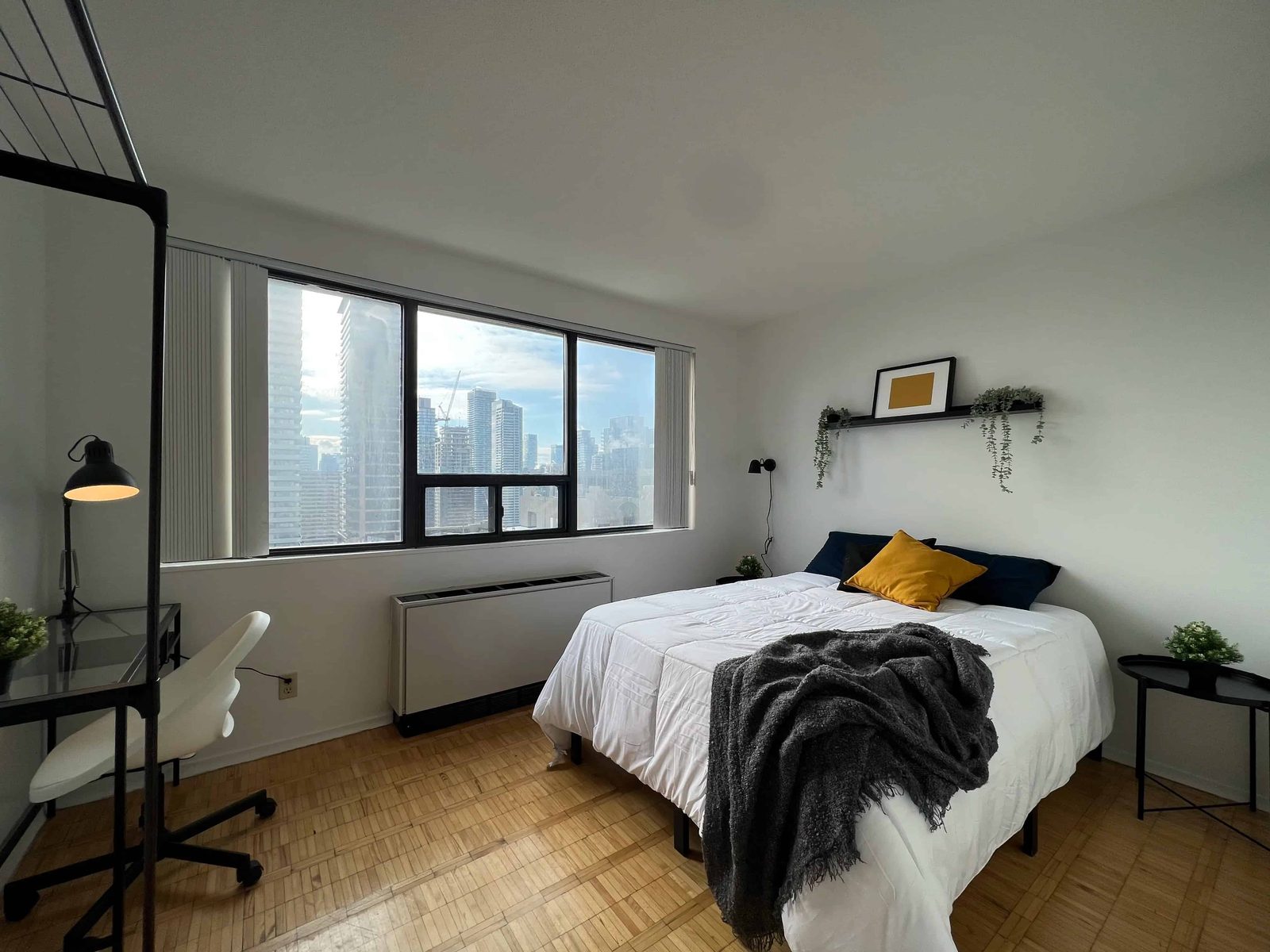
The cost of student housing in Delft varies widely depending on the type of room, the distance from campus, and whether utilities are included. The figures below are indicative — confirm with the operator before committing.
- Shared room / student house – €350 to €550 per month (including utilities in some cases). These are rooms in a shared apartment or house, often with a kitchen and bathroom shared among 3–8 people. Most common in the older buildings near the city centre.
- Self‑contained studio – €600 to €900 per month. A studio offers privacy with a private kitchen and bathroom, but tends to be smaller. Studios near the Mekelpark area can command a premium.
- One‑bedroom apartment – €800 to €1,200 per month. Less common for individual students, but suitable for couples or those willing to pay more for space.
- University‑operated rooms – €400 to €700 per month. These often have shorter contract durations (e.g., 6–12 months) and may require you to move out after the initial period. Availability is limited and governed by waiting lists.
Additional costs: municipal taxes (may be included in rent or charged separately), internet (€30–€50 per month), and mandatory health insurance (about €100 per month for students). Always ask whether the rent is “all‑in” (including gas, water, electricity, internet) or plus utilities.
Walk vs transit trade‑off
Choosing between living within walking distance and relying on public transport or a bicycle involves several factors.
Walking distance (under 1 km from campus)
- Benefits: zero commute cost, ability to go home between classes, no need for a bike or transit pass. Ideal for late‑night study sessions.
- Drawbacks: rents are higher. Very few rooms exist directly at the campus; the immediate surroundings are mostly university buildings and a small residential area east of Mekelpark.
Cycling distance (1–4 km)
- Bicycle is the most common mode. Delft’s flat roads and bike parking facilities at campus make a 10‑ to 15‑minute cycle typical.
- Rent drops noticeably as you move away from the historic centre. Areas such as the Buitenhof, Voorhof, and Wippolder are popular with students.
- You will need a second‑hand bicycle (€100–€200) and a lock. Bike theft is common, so a solid lock is essential.
Transit (bus, tram, or train)
- Some students choose to live in neighbouring cities like The Hague (Den Haag) or Rotterdam, commuting by train. A student public transport product (studentenreisproduct) costs around €100 per month and covers unlimited travel if you meet certain eligibility rules.
- Commute time: 20–30 minutes door‑to‑door to TU Delft from The Hague central station, or 30–40 minutes from Rotterdam.
- Trade‑off: lower rent in the larger city (especially in less central districts) but a longer daily commute and less access to Delft’s student social life.
Shortlist logic: how to choose a residence near TU Delft
When you shortlist housing options, use the following criteria to filter:
- Distance to campus – Walk or cycle? If you prefer walking, look at rooms in the east part of the historic centre or directly along the Schie canal. If you will cycle, almost any neighbourhood within Delft qualifies.
- Rent ceiling – Set a maximum monthly rent including utilities. Compare against the budget bands above.
- Contract type – University‑managed rooms often have fixed move‑out dates. Private rentals may require a 12‑month minimum. If you are only staying one semester, look for short‑stay options.
- Deposit and paperwork – Most private landlords ask for one to two months’ rent as deposit, plus proof of enrollment and income. Some accept a guarantee from a parent or university.
- Amenities – Does the room have internet included? Is a washing machine available? Is the kitchen fully equipped? List your must‑haves.
- Reviews of the building – If the landlord or platform publishes tenant reviews, read them. Watch for comments about noise, maintenance, and the landlord’s responsiveness.
- Public transport connection – Even if you cycle, check whether the nearest bus or tram stop gives you a backup during heavy rain or when your bicycle is broken.
Once you have a shortlist, visit the room or take a video tour. Ask about the heating system (many older buildings use district heating, which is metered per room) and whether the room has a meter for electricity.
Frequently asked questions
When should I start looking for housing for the 2026‑2027 academic year?
Start your search in April or May 2026 for the academic year starting September 2026. University‑operated rooms often open applications in April. Private rentals tend to become available about two months before the move‑in date. If you are arriving in the summer, expect many students to vacate around August 1. Waiting until August may leave you with very few options. Begin contacting landlords and checking platforms in June.
What documents do I need to rent a room in Delft?
Landlords typically ask for:
- A copy of your passport or EU identity card.
- Proof of enrollment from TU Delft (a registration certificate or letter of acceptance).
- Proof of income or a guarantee. If you do not have a job, a parent or sponsor can sign a guarantee form. Some landlords accept a blocked account showing sufficient funds.
- A deposit (usually one or two months’ rent) paid before move‑in.
- A signed rental contract. Make sure the contract specifies the rent amount, duration, notice period, and inclusion of utilities. Keep a copy.
Can I commute from The Hague or Rotterdam?
Yes, many students do. The train from Delft to The Hague Central takes 10 minutes, to Rotterdam Central 15 minutes. The student public transport product (Studentenreisproduct) costs about €100 per month and covers unlimited travel on trains, trams, and buses. If you live in a outer district of The Hague (e.g., Laak or Scheveningen), your total commute may be 30–45 minutes one way. The trade‑off is lower rent and a wider selection of apartments, but longer travel time and less spontaneous participation in Delft‑based study groups or social events.
Data date: July 2026.
See also: listing details · browse more