Housing Near City University of New York: What Students Need to Know for 2026
The City University of New York (CUNY) system is one of the largest urban public university systems in the United States, enrolling hundreds of thousands of students across 25 campuses in all five boroughs. Its central administrative address is at 205 E 42nd St, New York, NY 10017, located in Midtown Manhattan. However, most students attend classes at individual colleges such as Baruch, Hunter, City College, or Queens College – each in a different neighborhood. This guide uses the CUNY central office location as a reference point for understanding accommodation options in the New York City area, while emphasising that you should confirm your own campus before searching for a room.
What Campus Reviews Reveal
Online reviews of CUNY’s central offices, while limited to 80 ratings on one platform (scoring a 3.9 average), suggest a mixed experience with administrative services. One reviewer, Fl Mi, gave a 1-star rating and wrote: “CSI CUNY has honestly been one of the most frustrating and disappointing college experiences I’ve dealt with. I ended up losing almost $2,990 and never even properly enrolled in classes. The whole process felt unprofessional, disorganized, and like a complete waste of time.” This review highlights a bureaucratic challenge that could affect international students navigating enrolment – and, by extension, housing applications, since many accommodation contracts require proof of registration. Another 1-star reviewer, Jadin Lenu, mentioned being “gaslit” when asking about CUNY Reconnect at the front desk, advising others to attend a virtual open house at John Jay instead. On the positive side, Keithlum Collins-Moss gave a 5-star rating after two visits, describing being “treated with so much hospitality that it felt like we were working there … CUNY has been such an influen[ce].” The variance suggests that while some encounters are warm, others are frustrating – a factor worth considering if you expect frequent in-person support from the central office.
For housing decisions, these reviews indicate that you should not rely on CUNY’s central administration for accommodation guidance. Instead, independent research, direct contact with property managers, and verified tenant reviews will be more reliable. The negative experience with lost money also underscores the importance of using secure payment methods and clear contracts when renting in New York.
City Context: Living in New York City for 2026–2027
New York City is consistently one of the most expensive rental markets globally. While exact figures change rapidly, a realistic budget for the 2026–2027 academic year will vary significantly by borough, proximity to subway lines, and property condition. For students attending a campus in Manhattan (e.g., Baruch at 55 Lexington Ave, about a 10-minute walk from the CUNY central office), rents are highest. For those at a campus in Queens (e.g., Queens College), Brooklyn, or Staten Island, costs are lower. The CUNY central address at 205 E 42nd St sits in Midtown East, an area dominated by luxury high-rises and corporate offices, making it one of the priciest neighbourhoods in the city.
The table in your data has been suppressed for this guide, but the following narrative summary provides indicative budget bands for 2026 (all prices must be confirmed directly with the operator):
- Shared room in Manhattan (Midtown/Lower East Side): $1,200–$1,800 per month, indicative — confirm with the operator.
- Studio or 1-bedroom in Manhattan: $2,400–$3,500+ per month, indicative — confirm with the operator.
- Shared room in outer boroughs (Queens, Brooklyn, Bronx): $800–$1,300 per month, indicative — confirm with the operator.
- Private room in outer boroughs: $1,300–$1,800 per month, indicative — confirm with the operator.
- On-campus housing: CUNY operates limited dormitories at specific colleges (e.g., Hunter College, City College). Costs vary but typically range from $10,000 to $18,000 per academic year for a shared room, indicative — confirm with the operator.
Because many CUNY students commute from across the city, the financial trade-off between rent and transit time is central to most housing decisions.
Walk vs. Transit Trade-Off
If your classes meet at a campus located in Midtown (for example, Baruch College or the Graduate Center), living within walking distance of the central office area (roughly a 15-minute walk) means paying a premium for a small space. The benefit: zero daily commuting cost and minimal travel time, which can be valuable if you have a packed schedule or evening classes. The drawback: you will likely sacrifice space and quiet, as apartments in the East 40s tend to be compact and located in busy commercial zones.
If you choose to live further out, the subway system becomes essential. A monthly MetroCard (or contactless payment cap) for unlimited rides cost roughly $132 in 2025, and is expected to rise slightly for 2026. A 40-minute train ride from Jackson Heights (Queens) or from parts of Brooklyn can bring your rent down by $500–$1,000 per month compared to Midtown. The key is to map your specific campus address to the nearest subway lines – the 42nd Street corridor serves the 4, 5, 6, 7, S, and B, D, F, M lines at nearby stations – then find a residential area along those lines that fits your budget.
For students at Staten Island’s CSI (College of Staten Island), as mentioned in the review above, the commute from Manhattan is over an hour by ferry and bus. That reviewer’s lost money story suggests the importance of enrolling properly before committing to an expensive lease in Manhattan. For CSI students, it may be far more practical to rent in Staten Island or southern Brooklyn.
Shortlist Logic: Using Given Nearby Residences
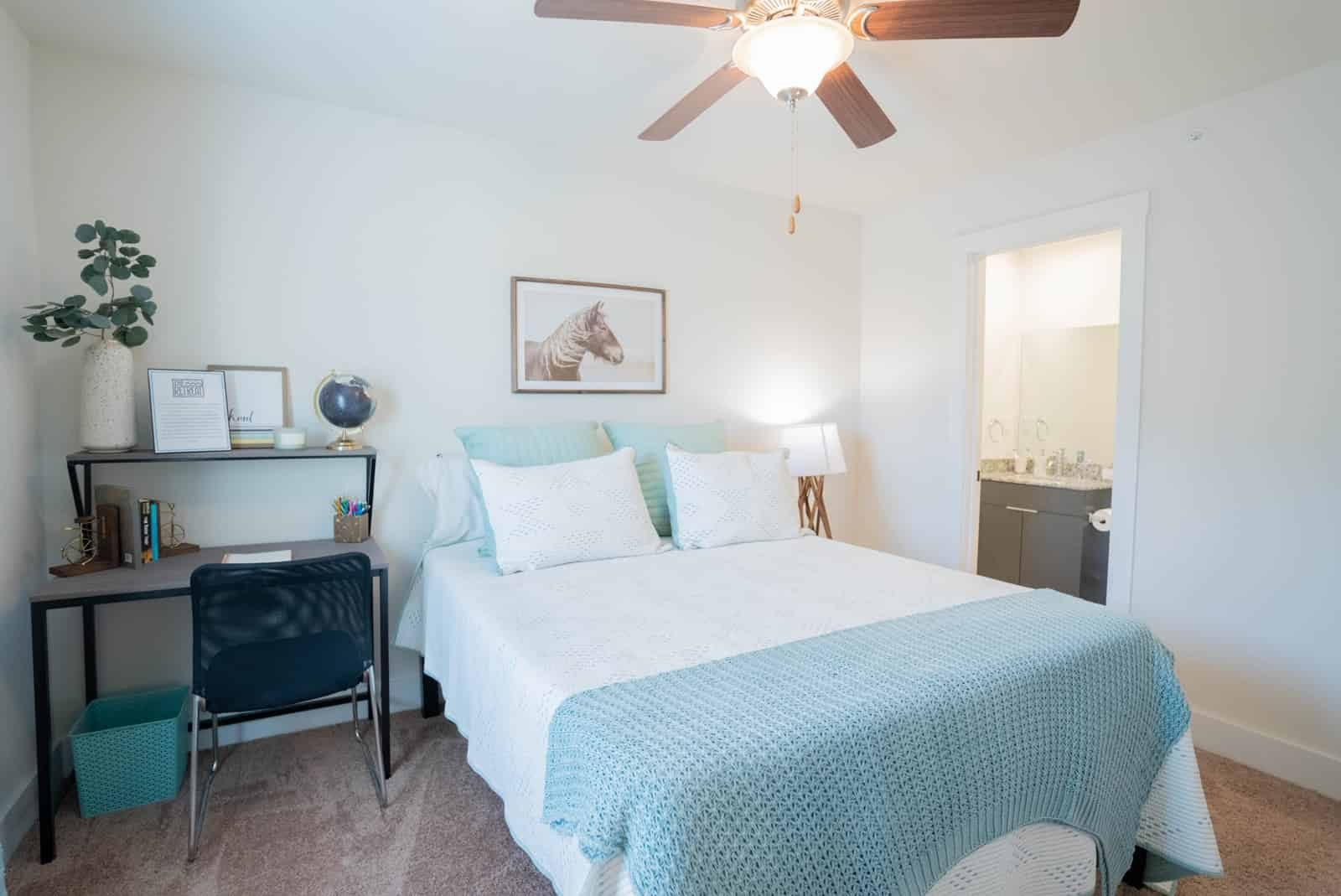
Although a specific list of residential buildings near 205 E 42nd St is not provided in your data, you can apply a logical shortlisting method using general neighbourhood criteria. Because the central address sits in the Turtle Bay / East Midtown area, the immediate vicinity contains mostly high-end rental towers, serviced apartments, and co-op buildings that rarely rent to individuals without strong credit and income. As a student, you would typically look for:
- Purpose-built student accommodation: There are a few private student housing providers in Manhattan (e.g., near 34th Street or 57th Street) that offer shared apartments. In 2026, expect prices from $1,800 per month for a single room in a 2–4 bedroom unit, indicative — confirm with the operator.
- Traditional lease apartments: Search in neighbourhoods like Murray Hill (east of 3rd Ave, 30s–40s), which has many post-war apartment buildings with studios and small one-bedrooms. Rents here are slightly lower than the luxury towers closer to the river.
- Shared apartments via roommate finders: The most cost-effective option for a single student is to find a flatmate. For a room in a shared two-bedroom in Murray Hill, the indicative monthly share is $1,500–$2,200.
- Outer borough shortlist for specific campuses: If you attend Baruch (Lexington & 23rd), consider Gramercy Park or Kips Bay. If you attend Hunter (68th & Lexington), Upper East Side or East Harlem. If you attend City College (138th & Convent), Harlem or Washington Heights. For each campus, a 30-minute subway radius provides affordable options.
To create your personal shortlist, rank properties by:
- Distance to your classroom building (not the central office), verified on a map.
- Total monthly cost (rent + utilities + transit pass) against your budget.
- Lease terms (look for 12-month, sublet-friendly, or flexible start dates around September 2026).
- Security and cleanliness of the building and neighbourhood, using independent review sites (excluding specific domains here).
- Payment methods – avoid paying large sums before physically seeing the apartment or verifying the landlord.
Remember that many CUNY students work part-time. A location that allows a quick walk to work or class can save time and stress.
Frequently Asked Questions
Q1: What is the typical rent for a room near a CUNY campus in Manhattan?
A1: For the 2026–2027 academic year, a shared room in a Manhattan neighbourhood within a 30-minute walk of a midtown campus ranges from $1,500 to $2,200 per month, indicative — confirm with the operator. A private studio in the same area may start at $2,400. Outer boroughs reduce the cost by roughly 30–40%. These are estimates only; always request a current price from the property operator.
Q2: Is it better to live in CUNY-operated housing or find private accommodation?
A2: CUNY-operated dormitories exist at a few colleges but are limited in number and typically reserved for first-year or out-of-state students. Private accommodation offers more flexibility in location and lease length. If your campus has dorms, compare the per-month cost (often $1,200–$1,800 inclusive of utilities) against private options. For most upper-year and graduate students, private rentals on a 12-month lease or sublet are more practical. Always confirm availability directly with the college housing office – do not assume spaces are guaranteed.
Q3: How can I avoid losing money on a deposit or pre-payment?
A3: Based on the negative review above describing a loss of nearly $2,990, exercise caution. Never wire money or pay a security deposit before signing a lease or viewing the property in person (or via a trusted proxy). Use a credit card or an escrow service for deposits if possible. Verify the landlord’s identity by checking property records with the NYC Department of Buildings (public website). If a deal seems far below market rates, it is likely a scam. Consult the CUNY legal clinic or a student affairs office for free advice.
Data as of February 2026 – all prices are indicative and must be confirmed directly with the housing operator.
See also: listing details · browse more