Campus Setting and Surroundings
Ca’ Foscari University of Venice is housed in a historic palazzo on the Grand Canal in the Sestiere Dorsoduro district – one of Venice’s six sestieri. The address, Sestiere Dorsoduro 3246, places you within a five-minute walk of the Accademia Bridge and the Peggy Guggenheim Collection. The area is a mix of quiet residential canals, student bars, and small grocery shops. Most university faculties are concentrated in Dorsoduro and nearby San Polo.
Visitors often remark on the building’s beauty. Kelley Campbell (5-star review) wrote: “The tour, provided by students is well done. The history was interesting and did not know it had specialties in languages.” Dariusz Prokopowicz (5-star) called the university “a polyglot sanctuary of innovation” that blends “ancient maritime heritage and forward-looking economic moxie.” The campus itself has a central courtyard with a Co-op shop and a café. A course meal there is 16 euros, a panini 6 €, and a coffee 1.5 € – useful for quick meals between lectures.
City Context: Living on Water
Venice has no roads for cars. All movement is on foot or by water bus (vaporetto). This shapes every housing decision. You cannot ride a bicycle to campus – you walk, take a vaporetto, or use a traghetto (gondola ferry). The city is dense: the historic centre is only about 7 km², so most addresses are within a 30-minute walk of the university. But bridges, stairs, and narrow alleys mean that a 1 km walk can feel longer when carrying groceries.
Rents in Venice are among the highest in Italy, especially within the historic centre. Many students live on the mainland (Mestre or Marghera) and commute by train or vaporetto. The commute is 15–25 minutes one way, but monthly transport passes cost around 30–40 euros (indicative – confirm with the operator).
Budget Bands for Student Housing
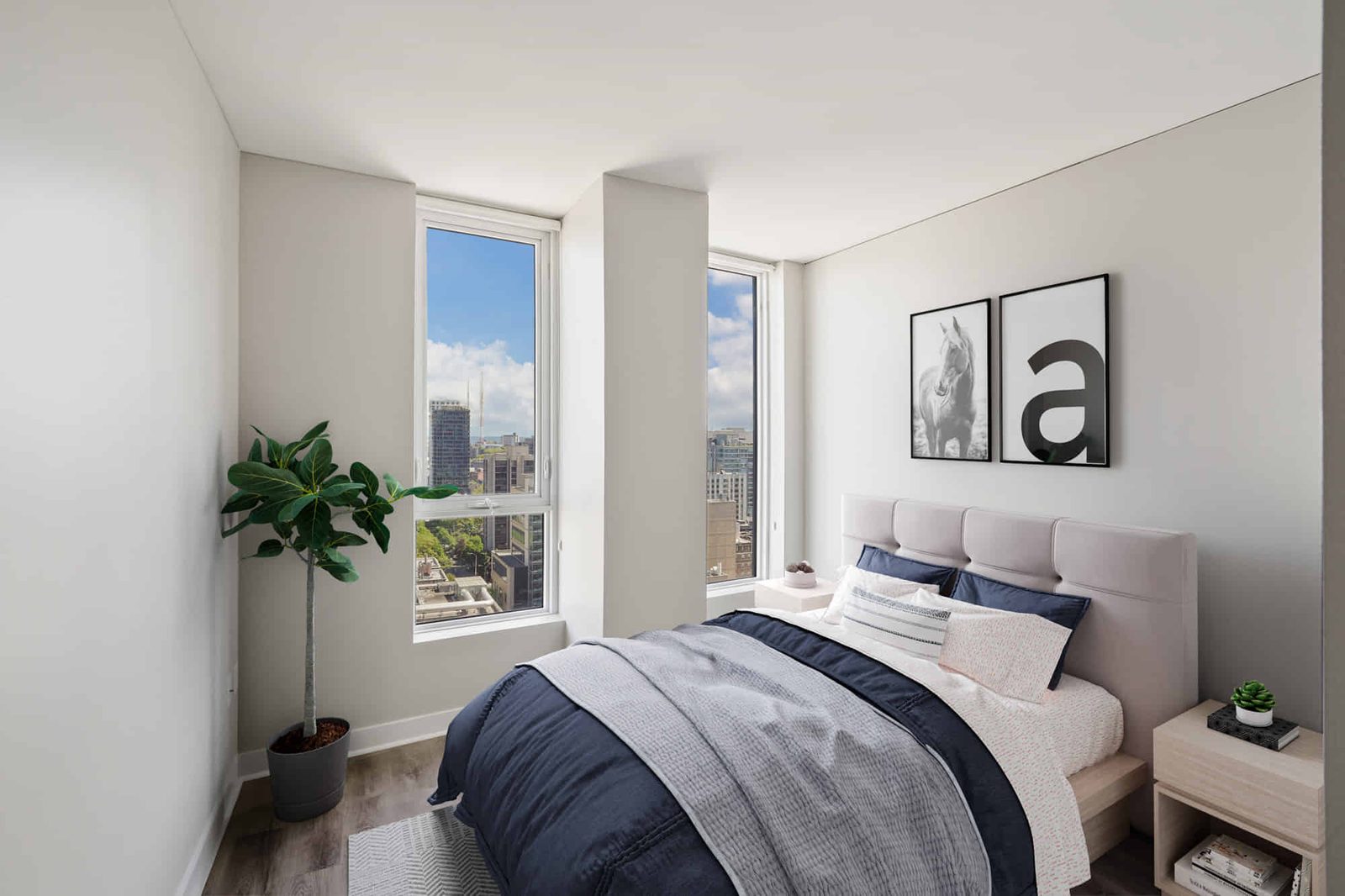
Rent prices in Venice vary sharply by location and property type. Below are approximate monthly figures for a single person sharing an apartment (room only) in 2026–2027. All prices are indicative – confirm with the operator, as the market changes quickly.
Low budget (under €400 per month)
- Rooms in shared apartments in Mestre or Marghera.
- Private room in a flat with 3–5 other students.
- Expect basic furniture, shared kitchen and bathroom.
- Commute: train or vaporetto (15–25 min to Piazzale Roma, then 5–10 min walk to Dorsoduro).
Medium budget (€400–€600 per month)
- Single room in the historic centre, often in Dorsoduro or San Polo.
- May include bills (electricity, water, internet) or be exclusive.
- Closer to campus – walk 10–20 minutes.
- Smaller room or older building; sometimes shared with 2–3 people.
High budget (€600–€900+ per month)
- Studio or small one-bedroom flat in the centre.
- Private bathroom and kitchenette.
- Often in San Marco or Castello, still within 20-minute walk.
- Also includes rooms in well-maintained shared flats with modern furnishings.
University residences (operated by the region or by private foundations) usually cost €350–€500 per month, including utilities. They are competitive – apply as early as possible in spring 2026 for the 2026–2027 academic year.
Walk vs Transit Trade-Off
Walking is the most reliable way to reach Ca’ Foscari. From any sestiere inside the historic centre, you can reach the university in 30 minutes or less. The trade-off is cost: rooms inside the centre are 20–50 % more expensive than mainland options.
If you choose Mestre, you save money but lose time and spontaneity. The last vaporetto from the mainland runs around midnight, so evening study groups or social events may require a night bus (limited service). Consider these factors:
- Walk from Accademia (5 min) – ideal but high rent.
- Walk from Rialto (10 min) – good food market, affordable cafés.
- Vaporetto from Piazzale Roma (10 min + 5 min walk) – convenient for train connections.
- Train from Mestre to Venezia Santa Lucia (8 min) – plus 15 min walk across the Grand Canal.
For most students, a 15–20 minute walk is the sweet spot: not too tiring, yet rents are noticeably lower than in the immediate university block.
Shortlist Logic for Choosing Accommodation
When evaluating options, apply a four-step filter:
-
Location radius – Use Google Maps or the operator’s map to check walking time to university. A 20-minute walk is comfortable; over 30 minutes you will likely use transport.
-
Budget ceiling – Set a maximum monthly rent including utilities. For 2026–2027, factor in a 3–5 % increase from current listings. Always ask: “Are bills included?”.
-
Amenities – Is there a washing machine? Supermarket within 5 minutes? Good internet? These matter more in Venice because carrying laundry across bridges is tiresome.
-
Contract type – Short-term (1 semester) vs yearly. Most landlords ask for a 12-month contract with a 3-month break clause. Verify the deposit (usually 2–3 months’ rent).
Example shortlist (without naming specific residences – consult the operator’s current list):
- Dorsoduro rooms (€500–€700) – walk 2–10 min, medium-high budget.
- San Polo rooms (€450–€600) – walk 10–15 min, good value.
- Mestre shared flats (€300–€400) – commute 25–30 min, low budget.
- University-managed halls (€350–€500) – often near Accademia, apply early.
The operator’s platform allows you to filter by budget, distance, and contract length. Use the “distance to Ca’ Foscari University of Venice” filter to narrow results to under 20 minutes walk.
Frequently Asked Questions
How far in advance should I start looking for housing?
Begin searching in March–April 2026 for the 2026–2027 academic year. University residences often open applications in February. Private rooms on the open market become available from May onwards. September is the busiest month – prices rise and choice drops. The earlier you secure a place, the better.
Is it worth living on the mainland to save money?
Yes, if you can manage the daily commute. A room in Mestre may cost €300–€350 per month, compared to €500–€600 in the centre. The trade-off is roughly 45 minutes of extra travel per day (round trip). If your lectures are concentrated in the morning or afternoon, the savings can be substantial. However, if you have evening classes or frequently use the library until late, a central room may be worth the extra cost.
Are utility bills usually included in rent?
In Venetian shared flats, bills (electricity, water, gas, internet) are often separate and split equally among tenants. Some landlords offer “all inclusive” rents, typically €50–€100 above base. Always confirm before signing. The operator’s listing will indicate whether bills are included or not.
Data date: February 2026
See also: listing details · browse more