Housing Near Aix-Marseille University: A Guide for 2026–2027
What Campus Reviews Tell Us
Aix-Marseille University (AMU) holds a QS world ranking of 428 and enjoys a Google rating of 3.9 from 124 reviews. Two student reviews offer direct insight into the campus atmosphere. Ramzi Fergani, a former master’s student, gave 5 stars and wrote: “I am writing these lines for my university Aix-Marseille University as a recommended former master degree student. It’s not just one of the most prestigious university in France, but across of the entire world, where you are indeed feel among your family and friends, without mentioning the professio” (posted six years ago). Another reviewer, Nasim Hasan, gave 5 stars, stating: “A great University with Cutting edge research facilities” (posted two years ago).
These comments point to a strong sense of community and advanced research resources. For anyone seeking housing nearby, this suggests that choosing a location where you can easily participate in campus life—meeting peers, accessing labs, and attending events—may enhance your experience. Proximity to the main campus at Jardin du Pharo (58 Boulevard Charles Livon, 13007 Marseille) could matter more if you value spontaneous social interaction and quick access to facilities. Conversely, if you prioritise quiet study time, a slightly farther but affordable neighbourhood with good transport might suit you.
Marseille as a Student City
Marseille is France’s second-largest city and a major Mediterranean port. It has a diverse population, a vibrant cultural scene, and a mild climate with over 300 sunny days per year. The university’s main campus in the 7th arrondissement sits close to the Old Port (Vieux-Port) and the coastline, offering scenic walks and easy access to city amenities.
Public transport in Marseille includes an efficient metro (two lines), tramways, buses, and a regional train network (TER). The city is also bike-friendly, with bike-sharing services like Le Vélo. Housing options range from shared apartments (colocations) in older buildings to newer studio residences near the coast or around the Saint-Charles train station.
The cost of living in Marseille is generally lower than in Paris, but rental prices vary significantly by neighbourhood. The area around Pharo and the 7th arrondissement tends to be pricier, while districts farther from the coast, such as the 13th or 14th arrondissements, offer lower rents. Many students also live in Aix-en-Provence (about 30 minutes by train) due to its student-friendly atmosphere, though that commute should be factored into time and budget.
Budget Bands for Student Housing
All prices below are indicative — confirm with the operator. The figures assume a single person in standard student accommodation (shared or private) and are typical for the 2026–2027 academic year.
Low budget (EUR 300–450 per month)
- Shared apartments (colocation) in districts like La Plaine, Noailles, or the 5th arrondissement.
- Rooms in student residences (often with shared kitchen and bathroom).
- Utilities may or may not be included; always check the contract.
Mid budget (EUR 450–650 per month)
- Studio apartments (T1/T1bis) in the 7th or 8th arrondissement, or near the Saint-Charles station.
- Private studios in newer student residences with ensuite facilities.
- Some studios include internet and electricity in the rent.
High budget (EUR 650–900+ per month)
- Larger studios or one-bedroom flats (T2) in the Pharo area, Corniche, or Vieux-Port.
- High-quality private residences with amenities such as gym or co-working spaces.
- Rentals with a direct sea view or expansive terrace will cost more.
All prices are indicative — confirm with the operator. Students should also budget for a security deposit (usually one month’s rent), agency fees (if applicable), and utilities such as electricity, water, and internet (EUR 50–100 per month combined).
Walking versus Public Transport Trade-off
Walking zone (0–20 minutes from campus)
- Covers the 7th arrondissement, parts of the 6th, and the Pharo hilltop area.
- You can reach class within a 15-minute stroll. This saves on transport costs (EUR 0–40 per month) and allows spontaneous visits to the library, sports facilities, and student hangouts.
- Downside: rents are higher per square metre, and apartments tend to be smaller or older unless you pay a premium.
Public transport zone (20–45 minutes by metro/bus)
- Districts such as La Blancarde (12th), Sainte-Marguerite-Dromel (9th), or Saint-Barnabé (12th) are well connected by metro line 1 or 2. A monthly transport pass costs around EUR 45–55 (with student discount).
- Commuting time is predictable but adds 30–90 minutes daily. You gain lower rent and often larger living spaces.
- Some areas like the 13th arrondissement have direct bus lines to the Pharo campus, though frequency may be lower in the evening.
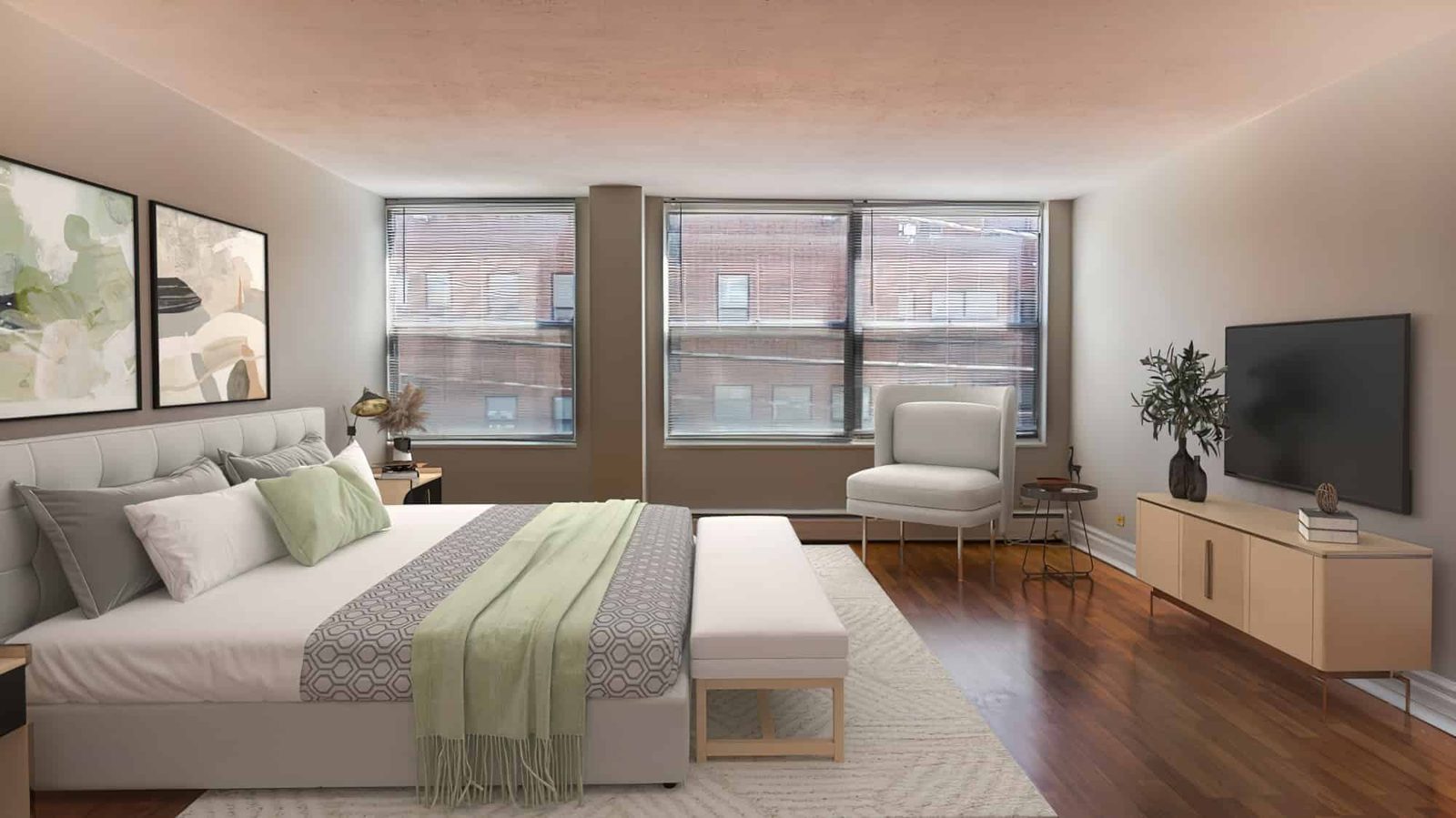
For most students, a balanced approach works: live within a 30-minute transit radius from the Pharo campus. This keeps commute times manageable while offering a wider range of budgets and apartment types.
How to Shortlist Your Options (Using Nearby Residences)
Because the golden rule is to see the property in person or via a trusted video walkthrough, use the following logic to build a shortlist of potential housing.
Step 1 – Define your budget and room type
Set a maximum monthly rent (including utilities) and decide whether you need a private studio or are open to sharing. For example, a middle-budget student could aim for a EUR 500–600 studio near the 7th arrondissement.
Step 2 – Map your preferred commute
Draw a radius around Jardin du Pharo. Two zones are useful:
- Zone A (walking, <20 min): includes the 7th arrondissement, the coast, and parts of the 6th.
- Zone B (transit, 20–40 min): includes areas along metro line 2 (such as Castellane, Rond-Point du Prado) or bus lines 83 and 81 that run near the campus.
Step 3 – Check available residences in that zone
Search for student residences, private colocations, or private studios in those specific neighbourhoods. Shortlist three to five places and compare:
- Distance to the nearest metro/bus stop and walking time to the university.
- Whether the rent is “all charges included” (eau/elec/internet).
- The contract length (most are 12 months, with a possible early exit clause).
- Security and quietness of the street (especially important for night study).
Example shortlist checklist (generic residences, not named):
- Residence A in the 7th arrondissement (walk 12 min to campus, studio EUR 580/month indicative).
- Shared flat in La Plaine (walk 7 min to tram, then 15 min bus, room EUR 380/month indicative).
- Private studio near Saint-Charles station (metro + walk 25 min total, EUR 520/month indicative).
Always confirm availability and current prices with the operator, as rents change between 2026 and 2027.
Frequently Asked Questions
Q1: What is the average rent for a student near Aix-Marseille University?
For the 2026–2027 academic year, you can expect to pay around EUR 400–600 per month for a studio within a 30-minute commute from the Pharo campus. Shared rooms can be found for EUR 300–450. All prices are indicative — confirm with the operator.
Q2: Should I live in Aix-en-Provence and commute to Marseille?
Aix-en-Provence is a vibrant student town with lower rents (typically EUR 350–500 for a studio) and a strong social scene. The TER train takes about 30 minutes to Marseille Saint-Charles, plus an additional 15 minutes to reach the Pharo campus. This commute adds cost (train pass about EUR 80/month with student discount) and time (approximately 1 hour door-to-door). It is a viable option if you prefer Aix’s atmosphere, but for daily attendance, living in Marseille is more convenient.
Q3: Do student residences in Marseille usually include internet and utilities?
Many newer student residences (résidences universitaires privées) offer all-inclusive rents covering water, electricity, heating, and internet. Older private apartments or colocations often exclude utilities (EUR 50–100 extra per month). Always read the contract carefully. The phrase “charges comprises” (charges included) typically means water and building maintenance, but electricity and internet may be separate. Confirm with the operator before signing.
Data as of early 2026. All prices are indicative — confirm with the operator.
See also: listing details · browse more