What Campus Reviews Reveal
Student reviews of Aalborg University paint a mixed picture that prospective students should weigh carefully when deciding where to live. On Google, the university holds a 4.6 rating from 249 reviews, but individual experiences diverge sharply. One reviewer, Jakob Olesen, gave a 1‑star rating and wrote: “Horrible. Professors are lazy and care only about their own research to the massive detriment of practically every course taught and every project. Many standard courses are unavailable for many degrees because of rigid and inflexible rules as well as awful scheduling. If you have choices do NOT go.” Another, Raba Patrick, gave 2 stars, stating: “As they are heavily censoring real reviews, I am updating this post repeatedly to share my experience. I had the misfortune of starting the Nanobiotechnology MSc course, but I dropped out after just two months. I highly recommend that you thoroughly research any program before enrolling because you…”
At the other end, a 5‑star review from Fabian Murrizi reads: “Im a young student from Albania and i wanted to start ky studies in this university although i dont know the language im great in english.” A 4‑star review from S. D. notes: “Attended their in early 2000’s now my son is.. ha.. Good luck to all in 2023 academic year…” These contrasting opinions suggest that programme‑specific experiences and personal expectations vary widely. For housing decisions, the key takeaway is that some students report frustration with course availability and scheduling — issues that could be partially mitigated by living close enough to campus to attend classes and meetings without a long commute, especially if timetable changes occur. Conversely, students who are self‑directed and fluent in English (but not Danish) may find the university accessible regardless of where they live, as long as they can reach campus reliably.
City Context: Aalborg as a Student City
Aalborg is a medium‑sized Danish city with a strong student presence, thanks largely to Aalborg University. The main campus is located at Fredrik Bajers Vej 7K, 9220 Aalborg, in the eastern part of the city. The city centre lies about 2–3 km away, and the university is well‑served by buses and cycling paths. Aalborg’s population is roughly 120,000, with students forming a significant community. The cost of living is moderate by Danish standards — lower than Copenhagen, but higher than many other European cities. Rental housing is in steady demand, especially near the university and the city centre.
Students coming from outside Denmark (like the Albanian reviewer mentioned) will find that English is widely spoken, but learning basic Danish can help with everyday interactions, including dealing with landlords or housing cooperatives. The academic year typically runs from September to June, with most lease contracts starting August or September. It is advisable to begin searching for accommodation at least two to three months before the semester starts.
Budget Bands for Student Housing
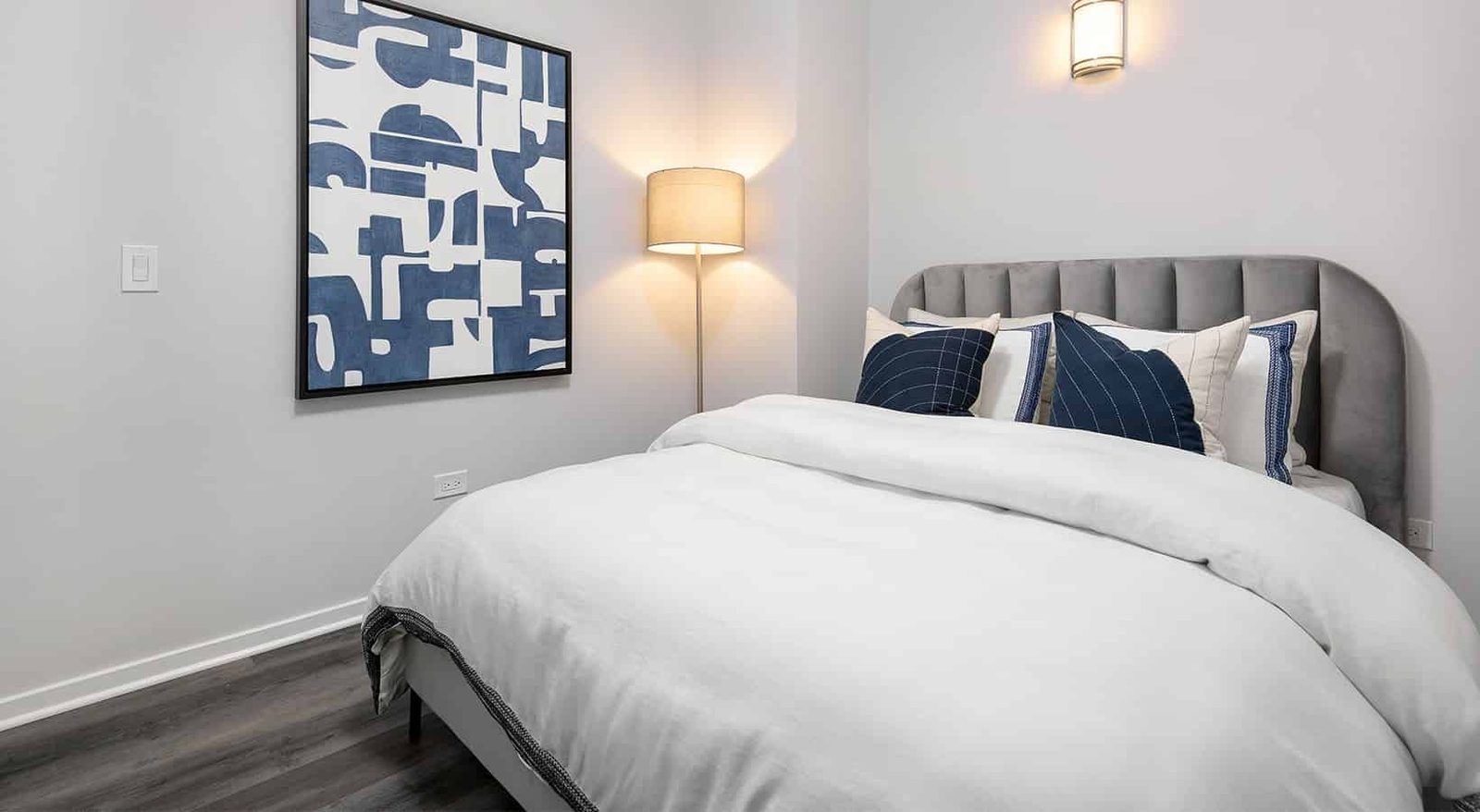
Because specific rental prices fluctuate and vary by lease type (private, dormitory, shared flat), only indicative bands can be given — confirm with the operator for exact figures. Based on typical Aalborg market conditions (not from the provided data), a rough framework for 2026 or 2027 is:
- Low budget (typically under 3,500 DKK per month): Rooms in student dormitories (kollegier) or shared flats in older buildings, often further from campus. Utilities may be extra. Indicative — confirm with the operator.
- Medium budget (3,500–5,500 DKK per month): Single‑room apartments or larger shared flats closer to campus or in the city centre. Many newer dormitories fall in this range. Indicative — confirm with the operator.
- Upper budget (above 5,500 DKK per month): Modern studio apartments or one‑bedroom flats within walking distance of the university or with quick bus access. Usually includes utilities and internet. Indicative — confirm with the operator.
These bands are not exhaustive. Students should check platforms like the university’s housing portal, local Facebook groups, and municipal housing websites for current listings. Always verify the total monthly cost, including deposits and any mandatory fees.
Walk vs Transit Trade‑Off
The main campus is located off the ring road, about a 30‑minute walk from the central square (Gammeltorv). Many students choose to cycle — a 10‑ to 15‑minute bike ride is the most common mode. Buses run frequently along routes such as lines 1, 2, and 11, which connect the city centre and university. A monthly transit pass for students costs around 400–500 DKK (indicative — confirm with the operator).
Walking is feasible if you live in the neighbourhoods of Øst, Vejgaard, or near the university itself (e.g., around Sønderbro or the hospital). Walking time can be 10–25 minutes. The advantage is zero transport cost and flexibility for late‑night library sessions. The downside is that rents within walking distance tend to be in the medium or upper budget range.
Transit (bus or cycling) opens up cheaper housing options in districts like Aalborg Øst, Nørresundby (across the bridge), or the suburbs. A 20‑minute bus ride can save 1,000–2,000 DKK per month in rent. The trade‑off is the cost and schedule of buses — buses may not run as frequently after 11 pm. Cycling is a healthy, low‑cost middle ground, but requires a bike (around 1,000–2,000 DKK second‑hand). Many students combine walking with a bike or bus.
For international students who do not own a car, the walk vs transit decision often comes down to budget and tolerance for commuting time. If your schedule is heavy with group project meetings (common at Aalborg University due to its problem‑based learning model), living close to campus reduces the risk of missing sessions due to transport cancellations.
Shortlist Logic: How to Choose Your Accommodation
Since this guide does not include a list of specific residences, the following logic will help you create your own shortlist using available resources. Apply these criteria when evaluating any listing:
- Distance to campus: Prioritise locations within 2 km of Fredrik Bajers Vej if you plan to walk or cycle. For bus commutes, check that the route runs at least every 15 minutes during peak hours.
- Lease type and duration: Many student contracts run from September to June or August to July. Ensure the lease covers the full academic year (including exam periods in January and June).
- Total cost: Include rent, utilities (water, heating, electricity), internet, and any administration fees. A “cheap” rent may become expensive if utilities are separate and high.
- Roommate situation: Shared flats are common and can lower costs, but require compatibility. Dormitories offer social opportunities but may have common rules (e.g., quiet hours, cleaning duties).
- Campus facilities: The university has libraries, cafeterias, and study areas. If you prefer studying at home, a larger room or a quiet space is important.
- Contract flexibility: Find out if you can sublet or break the lease early, especially if you are unsure about staying for the full duration.
To build a shortlist, start by filtering on housing platforms by max rent and desired distance. Then read reviews from previous tenants (if available) and visit in person if possible. For 2026 or 2027 enrolments, begin searching in March or April to secure the best options — many contracts are signed by June.
Frequently Asked Questions
1. Is it better to live in a student dormitory or a private flat near Aalborg University?
It depends on your budget and social preferences. Student dormitories (kollegier) often include utilities and have common areas, making it easier to meet people. Contracts are usually for 12 months with a waiting period. Private flats offer more independence but require you to manage bills and find furniture. Dormitories are generally cheaper (indicative — confirm with the operator), while private flats give you more control over location and space.
2. How do international students find accommodation in Aalborg without visiting first?
The university’s housing office (if available) can provide a list of approved dormitories. Alternatively, use online platforms that allow you to sign contracts digitally. Many landlords accept video tours. Be cautious of scams — never transfer money without a signed contract and a verified identity. Join Aalborg‑based Facebook groups for student housing to see shared flats and sublets posted by current students.
3. What is the typical rent for a room within 15 minutes’ walk of the university in 2026 or 2027?
Indicative prices vary. A room in a shared flat or dormitory close to campus might cost between 3,800 and 5,200 DKK per month (indicative — confirm with the operator). A studio apartment in the same area could be 5,500–6,500 DKK. These numbers are estimates based on current trends — always check multiple sources and confirm with the operator before committing.
Data based on available university information and general market observations for Aalborg. Last updated: 2025.
See also: listing details · browse more